
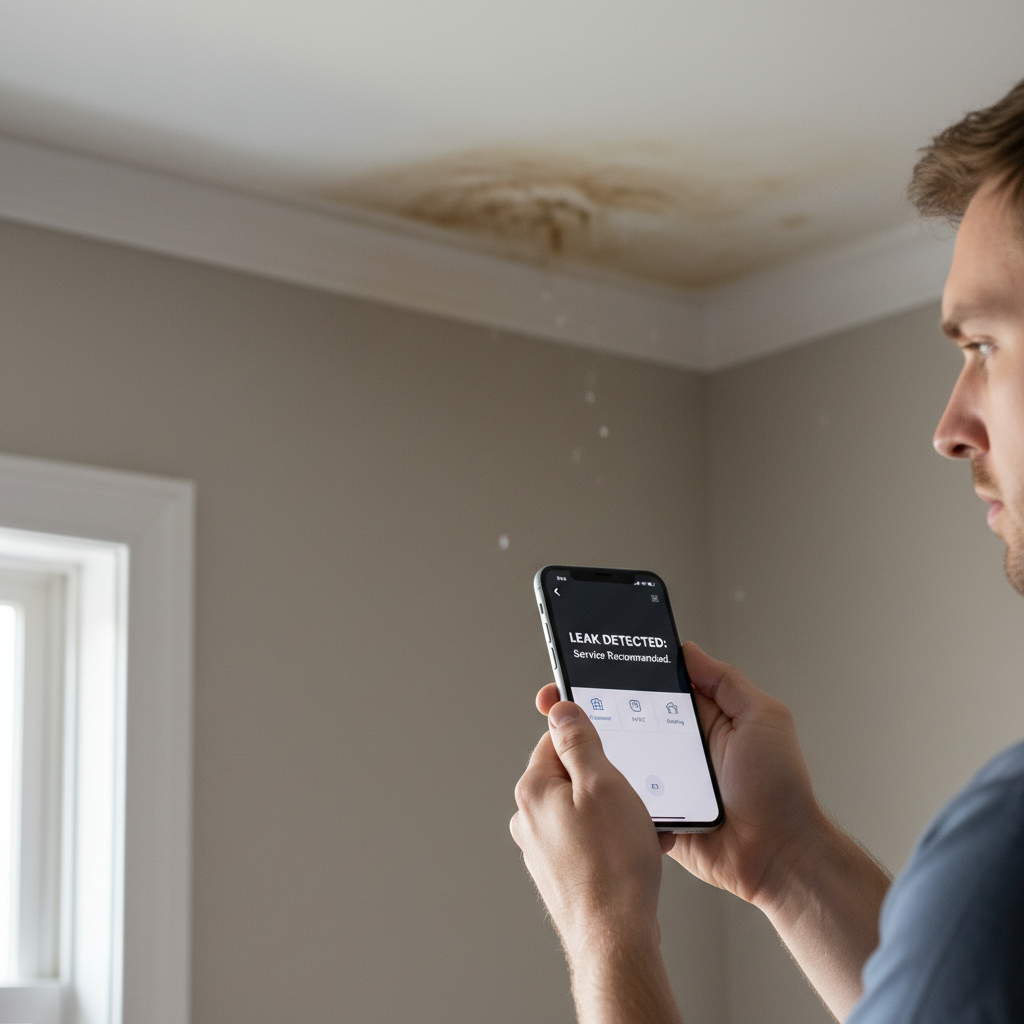
Smart water leak detection slab leak prevention utilizes IoT-enabled sensors and flow monitors to identify hidden pipe failures and moisture accumulation beneath a home's foundation. These devices provide real-time smartphone alerts and automated water shut-offs to stop minor leaks before they cause major foundation cracks or structural damage.
For many Columbus homeowners, the foundation of their property represents both stability and a significant financial investment. A slab leak threatens that security silently, often remaining undetected beneath inches of concrete until structural cracks appear or utility bills skyrocket. Traditional moisture sensors provide a false sense of safety because they typically only trigger after water reaches the finished flooring. This guide examines how sophisticated, IoT enabled monitoring systems bridge the gap between reactive repairs and proactive prevention. We will explore the mechanics of sub slab detection, the specific vulnerabilities of Central Ohio foundations, and the essential features of a whole home shut off system. By integrating smart technology into your plumbing infrastructure, you can identify microscopic pressure changes and stop foundation damage before it compromises your home.
The Hidden Threat of Slab Leaks in Central Ohio Foundations

A slab leak occurs when a pressurized water line or drainage pipe develops a breach beneath the concrete foundation of your home. In the Columbus market, this is a particularly prevalent issue due to the regional building style. Many homes in suburbs like Westerville or Grove City are constructed on slab-on-grade foundations, meaning the primary plumbing infrastructure is buried under several inches of reinforced concrete.
The primary catalyst for these failures in Central Ohio is our clay-heavy soil. Clay is highly expansive; it swells during wet seasons and contracts during droughts. This cyclical movement causes the foundation to shift slightly, forcing the copper or PEX pipes to rub against the concrete or abrasive gravel bedding. This friction, combined with the pressure of the water system, eventually wears a hole through the pipe wall.
Unlike a dripping faucet or a burst pipe under a bathroom vanity, these leaks are invisible to the naked eye. While an above-ground leak provides immediate visual evidence, a sub-slab leak can flow for months without surfacing, quietly eroding the soil and compromising the structural integrity of your foundation. Because these leaks are buried, relying on manual observation is often a recipe for expensive repairs.
Integrating smart water leak detection for slab leak prevention represents the transition from reactive maintenance to proactive protection. For residents seeking professional plumbing solutions, understanding this hidden threat is the first step in safeguarding a property from long-term water damage.
Why Traditional Leak Sensors Often Fail to Detect Slab Leaks
Many homeowners invest in point-of-leak sensors, often referred to as puck style sensors from brands like D-Link or Kidde. These devices are excellent for localized failures, such as a leaking supply line under a kitchen sink or a failing water heater tank. However, they are fundamentally inadequate for smart water leak detection slab leak prevention. The design of these sensors relies on two or more metal probes making direct contact with liquid water to complete a circuit and trigger an alarm.
A slab leak originates beneath four inches or more of reinforced concrete and gravel bedding. For a traditional moisture sensor to trigger, water must first saturate the soil, bypass the vapor barrier, seep through the porous concrete slab, and eventually soak the subfloor or finish flooring. By the time a sensor sitting on the utility room floor detects moisture, the invisible damage has been occurring for weeks or even months.
Sensor Type | Detection Method | Effectiveness for Slab Leaks |
|---|---|---|
Puck Style (D-Link/Kidde) | Physical moisture contact | Low; only detects surface water |
Smart Flow Meter | Pressure and ultrasonic monitoring | High; detects leaks inside/under concrete |
Manual Inspection | Visual signs and utility bills | Moderate; often too late for prevention |
Relying on surface-level sensors means you are reacting to the aftermath rather than the event itself. By the time these sensors alert you to a slab leak, you are likely facing foundation erosion, structural shifting, and expensive mold remediation. The costs associated with these secondary issues far outweigh the price of a plumbing repair. To effectively protect a home built on a concrete foundation, monitoring must shift from the floor surface to the water line itself. This justifies the necessity of IoT flow-based monitoring, which can identify anomalies within the plumbing infrastructure before water ever touches your floorboards. For homeowners looking for comprehensive professional plumbing solutions, understanding the difference between moisture sensing and flow monitoring is critical for long-term property protection.
How IoT and Smart Water Monitoring Systems Identify Sub-Slab Leaks

Transitioning from surface-level sensors to an IoT-based water leakage system shifts the focus from damage control to active prevention. Unlike puck sensors that wait for water to appear, flow-based monitoring devices are installed directly onto the main water line, typically where it enters the home before the plumbing branches out into the slab. Systems like Moen Flo, Phyn, or StreamLabs function as a digital heartbeat for your plumbing, using two primary methods to monitor the health of your pipes: ultrasonic waves and pressure transducers.
Ultrasonic sensors work by sending sound waves through the water stream to measure the velocity of the flow. By calculating the 'time of flight' for these waves, the device can detect even the slightest movement of water. Pressure transducers, on the other hand, monitor the internal tension of the plumbing system. They are sensitive enough to detect the tiny ripples in pressure caused by a single dripping faucet or, more critically, a pinhole leak buried deep within a concrete foundation.
Technology Type | Primary Detection Method | Best Used For |
|---|---|---|
Ultrasonic Sensors | Measuring water velocity via sound | Identifying high-flow bursts and continuous flow |
Pressure Transducers | Tracking minute psi fluctuations | Detecting micro-leaks and pinhole slab breaches |
AI-Learning | Pattern recognition of water usage | Distinguishing between a shower and a broken pipe |
The most vital feature for identifying smart water leak detection slab leak issues is the nightly 'micro-leak' test. Because the clay-heavy soil in Columbus causes slow, friction-based wear on pipes, slab leaks often begin as tiny apertures that are impossible to hear or see. Every night, the system performs a diagnostic check by briefly closing the internal valve to create a closed loop. It then monitors for the slightest drop in pressure. If the pressure falls while the valve is shut, the system identifies a breach.
This real-time data is sent directly to your smartphone via an encrypted IoT connection. Instead of discovering a foundation crack months later, you receive a notification the moment the system identifies a pressure anomaly. For homeowners seeking professional plumbing solutions, this technology provides a transparent view of what is happening beneath the concrete, allowing for targeted repairs before the structural integrity of the home is compromised.
Key Features of a Whole-Home Smart Leak Detection and Shut Off System
Modern whole-home systems provide a comprehensive defense strategy that moves beyond simple alerts. For a Columbus homeowner, the most critical component is the integrated automatic shut-off valve. When the system detects a high-flow event, such as a pipe failure beneath the concrete, it physically closes the main water line within seconds. This immediate response is vital because even a few hours of uncontrolled water flow can saturate the clay soil surrounding a foundation, leading to rapid erosion and structural shifting.
Reliable systems also utilize AI-driven learning to establish a baseline for your household. The technology tracks daily habits, such as the duration of a typical shower or the water volume used by a dishwasher. By understanding these patterns, the system can distinguish between normal usage and the persistent, low-volume flow characteristic of a smart water leak detection slab leak event. This precision prevents false positives while ensuring that micro-leaks in the slab are identified before they cause visible flooring damage.
Feature | Homeowner Benefit |
|---|---|
Automatic Shut-Off | Prevents catastrophic flooding and foundation saturation |
WiFi Connectivity | Provides real-time alerts and remote control via smartphone |
AI Usage Profiling | Identifies abnormal patterns without disrupting daily life |
24/7 Monitoring | Constant surveillance that outperforms manual inspections |
Finally, the always on nature of these IoT devices offers a level of security that manual inspections simply cannot match. While a homeowner might check for damp spots or strange noises once a month, these systems perform thousands of data checks daily. If you are away from Central Ohio on vacation, WiFi connectivity allows you to monitor your plumbing health and shut off the water remotely if an anomaly is detected. For those interested in these professional plumbing solutions, you can contact Quantum Waterworks to discuss which hardware best fits your home's infrastructure.
Is Smart Water Leak Detection Worth It for Columbus Homeowners?
Evaluating the value of an IoT system requires looking at the high cost of reactive repairs in Central Ohio. A professional installation of a flow-based shut-off system typically costs a few hundred dollars. In contrast, the financial fallout of a slab leak is staggering. Homeowners in neighborhoods like Bexley or Upper Arlington often face bills exceeding $10,000 when accounting for concrete excavation, pipe replacement, and foundation leveling. This figure does not even include the price of replacing damaged hardwood or tile flooring.
By investing in smart water leak detection slab leak technology, you are essentially purchasing insurance against catastrophic failure. Furthermore, many insurance providers throughout Ohio now offer premium discounts for properties equipped with professional-grade monitoring and automatic shut-off valves. These discounts often offset a significant portion of the hardware cost within the first two years of ownership.
Expense Category | Traditional Reactive Approach | Proactive IoT Strategy |
|---|---|---|
Initial Investment | $0 | $400 - $900 |
Slab Leak Repair Cost | $10,000+ (excavation & floor) | $0 (detected as micro-leak) |
Insurance Impact | Potential premium hikes | Annual premium discounts |
Property Value | Risk of structural history | Documented plumbing protection |
When you consider the avoided cost of mold remediation and structural stabilization, the return on investment is immediate. For those seeking these professional plumbing solutions, the upfront cost is a fraction of the potential liability. You can contact Quantum Waterworks to evaluate your home's compatibility with these systems and secure your foundation against invisible water damage.
Signs You Already Have a Slab Leak and Need Professional Detection
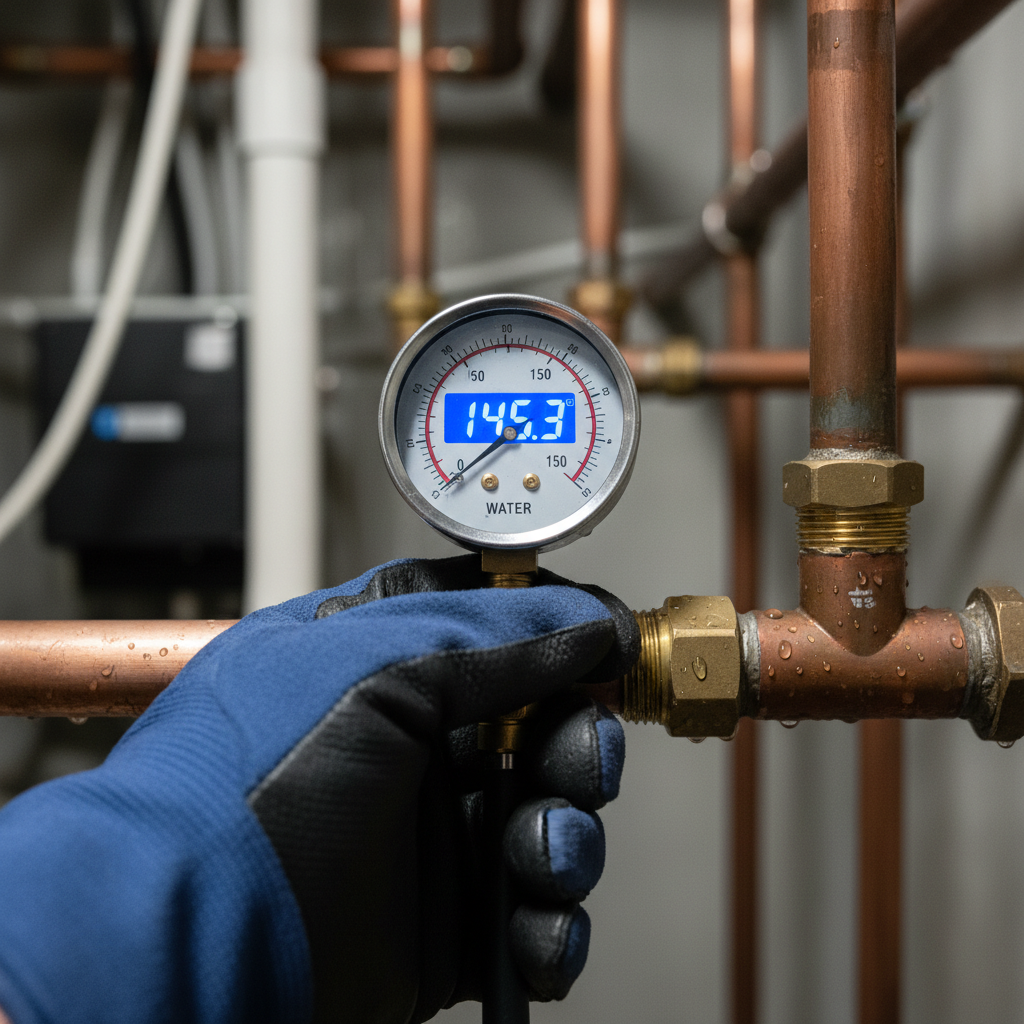
Identifying a sub-surface breach requires a combination of sensory observation and technical data. For residents in Central Ohio, an unexplained spike in the monthly Columbus City Utilities bill is often the first financial indicator that water is escaping the system. Because these pipes are embedded in the foundation, you may notice physical anomalies before seeing standing water. A localized warm spot on a kitchen or utility room floor typically indicates a hot water line breach, as the thermal energy transfers through the concrete slab and into the flooring above.
If your home is equipped with a monitoring system, it may flag a pressure drop during a nightly diagnostic check. When a smart water leak detection slab leak alert occurs without visible moisture in the living space, the breach is likely occurring beneath the vapor barrier. Other common signs include:
The distinct sound of running water or hissing behind walls when all faucets are off.
New cracks appearing in floor tiles or buckling laminate planks.
A persistent musty odor in the basement or utility areas despite no visible standing water.
When these indicators align with a smart system alert, it is time to seek professional plumbing solutions. Quantum Waterworks uses specialized acoustic leak detection and thermal imaging to pinpoint the exact location of the failure through the concrete. You should contact Quantum Waterworks immediately to verify the leak location, as early detection prevents the need for invasive, full-slab excavation.
Protecting your Columbus home from foundation damage starts with early detection. By integrating smart water leak technology, you can identify hidden slab leaks before they become costly structural issues. While monitoring your own systems provides peace of mind, certain situations require a more technical approach to ensure lasting safety. If you want expert help protecting your property, feel free to review our Services to see how we can assist. We are ready to help you maintain a secure home.