
The average main water line leak repair cost typically ranges from $354 to $1,696, though complex excavations or full line replacements can exceed $5,000. Homeowners should watch for warning signs such as unexplained soggy patches in the yard, discolored water, or a sudden drop in water pressure. Promptly addressing these issues helps prevent structural damage and avoids the significantly higher expense of a complete pipe failure.
Discovering a soggy patch in your lawn or an inexplicably high water bill can trigger immediate anxiety for any Columbus homeowner. A main water line leak is more than a nuisance; it represents a threat to your property's structural integrity and your monthly budget. At Quantum Waterworks, we understand that the primary concern is often the financial impact of the restoration. This guide provides a clear look at the practical realities of main water line repair. We will explore the specific signs of a leak and break down the honest costs associated with professional service in Central Ohio. You will also learn how to determine if a full replacement is more cost effective than a patch, who bears legal responsibility for the line, and how modern technology allows us to pinpoint the issue without destroying your landscaping.
Recognizing the Hidden Signs of a Main Water Line Leak in Columbus
A main water line leak often begins as a quiet problem beneath the surface, especially in the Columbus area. Homeowners frequently ask, "how do i know if my underground water line is leaking?" The answer depends heavily on your property's layout and the specific soil conditions. Unlike sandy regions where water quickly pools on the surface, Central Ohio is known for dense clay soil. This clay can absorb a significant volume of water for weeks or even months before a leak becomes visible, effectively masking the problem while your potential main water line leak repair cost rises due to hidden structural damage.
To identify a leak early, you must look for specific physical indicators categorized by their location:
In the Yard: Pay attention to areas that remain soggy long after a rainstorm. You might notice a patch of grass that is significantly greener or taller than the surrounding lawn, or even a small sinkhole where the soil has washed away underground. If you have a meter pit in your yard, check for standing water inside the casing.
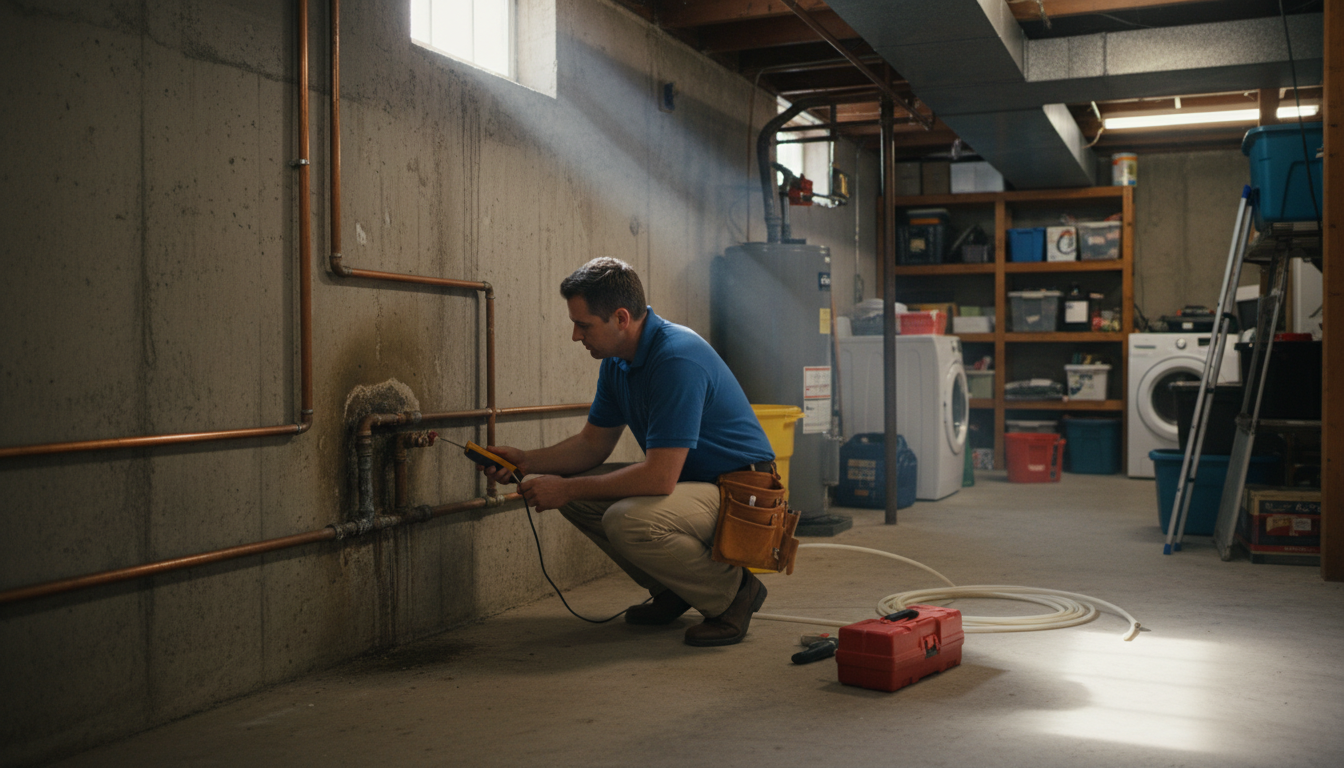
In the Basement: Many residents discover a main water line leaking in basement spaces through the foundation walls. Look for damp spots, mold growth, or white, crusty mineral deposits known as efflorescence specifically where the main line enters the home. If water is seeping through the concrete around the pipe, the leak is likely just outside your wall.
At the Tap: A sudden, unexplained drop in water pressure is a classic sign of a compromised line. You may also notice discolored water, often appearing brown or yellow, which indicates that soil or pipe corrosion is entering the line through a breach.
Identifying these symptoms early allows you to seek plumbing solutions for residents before a small fissure becomes a total pipe collapse. When underground water lines fail, the persistent saturation can eventually compromise your foundation or driveway. Monitoring these specific zones is the most practical way to catch a problem before it requires emergency intervention. If you suspect an issue, consulting honest Columbus plumbers for a site assessment can clarify whether the symptoms are a simple fixture failure or a more serious service line breach.
Main Water Line Leak Repair Cost Breakdown for Central Ohio Residents

Once you have identified the indicators of a leak, the immediate concern shifts to the financial impact. In Columbus, the main water line leak repair cost is not a flat fee; it is determined by the depth of the pipe, the material being handled, and how much restoration is required afterward. Central Ohio presents unique challenges, particularly the frost line. Plumbing code requires service lines to be buried at least 32 to 36 inches deep to prevent freezing during our harsh winters. This depth means any repair requires significant soil removal, often involving heavy machinery rather than just a shovel.
Accessibility is the primary driver of labor costs. A leak occurring under a wide, open lawn is far less expensive to fix than one situated beneath a paved driveway or an established sidewalk. Furthermore, the distance from the city’s curb box to your home's entry point dictates the volume of materials and labor needed. Houses in older Columbus neighborhoods with long setbacks often face higher costs simply due to the linear footage of the pipe involved.
To help you budget, here is a breakdown of the typical costs for our region:
Repair Tier | Estimated Cost Range | Description |
|---|---|---|
Minor Repair | $400 to $900 | Patching a small, accessible section of pipe with minimal digging. |
Moderate Repair | $1,000 to $2,500 | Significant excavation involved, potentially under obstacles, but no street work. |
Full Replacement | $3,000 to $6,000+ | Total line replacement using traditional trenching or trenchless methods. |
A minor repair usually involves a "spot fix" where a small section of copper or PEX is coupled into the existing line. This is only advisable if the rest of the pipe is in good condition. If the leak is located deep in the clay soil or requires digging through a retaining wall, you move into the moderate tier. The labor hours required to safely shore up a four foot deep hole in wet clay contribute heavily to this price increase.
For comprehensive failures, a full replacement is often the most logical long-term investment. Traditional trenching involves digging a long furrow through the yard, while trenchless methods use specialized equipment to pull a new line through the old one with minimal surface disruption. While trenchless technology can be more efficient, it requires a higher Plumbing Camera Service Cost during the diagnostic phase to ensure the path is clear. If your leak occurs after hours, keep in mind that an Emergency Plumbing Service Cost will likely include a premium for the immediate dispatch of an excavation crew. Professional plumbing solutions for residents in the Columbus area should always begin with a transparent estimate based on these local variables.
Repair vs Replacement: When to Stop Patching and Start Fresh
Deciding between a quick fix and a total overhaul requires an honest look at your home’s age and pipe material. In historic Columbus neighborhoods like Clintonville or German Village, many homes still rely on original galvanized steel service lines. These pipes have a typical lifespan of 40 to 60 years; if your home was built before 1970, your line is likely reaching its breaking point. While a minor patch might lower the immediate main water line leak repair cost, it is often a temporary band-aid on a systemic corrosion problem. Modern plumbing solutions for residents prioritize materials like copper or high-density polyethylene (PEX), which offer superior durability against the expansion and contraction of Ohio clay.
To determine the long-term value of a full replacement, you can calculate the investment based on linear foot pricing. Most full-line replacements in Central Ohio range from $100 to $200 per foot, depending on the depth and the choice between traditional trenching or trenchless technology. If you are quoted $900 for a spot repair on a 50 foot line that is already brittle, you are essentially gambling that another section will not fail within the year. As a rule of thumb, if your main line has required a repair more than once in the last two years, continuing to patch is no longer a sound financial decision. At that point, the cumulative labor costs for repeated excavations will quickly exceed the price of a fresh start. Consulting honest Columbus plumbers for a material assessment ensures you are not pouring money into a pipe that has simply outlived its utility.
Who is Responsible for the Leak? The City vs the Homeowner
Determining who pays the main water line leak repair cost starts with identifying the exact point of failure. In the City of Columbus, responsibility is split at the curb box, which is the shut off valve usually located near your property line or sidewalk. The Columbus Division of Water is responsible for the service pipe from the large water main in the street up to and including this curb box. As the property owner, you are responsible for the entire length of pipe from the curb box into your home, including the connection to your internal plumbing.
If you have a meter pit in your yard, you can often pinpoint the location of the breach without professional assistance. First, ensure all water is turned off inside your house. Open the meter pit lid and observe the flow indicator or the dials on the meter. If the meter is still ticking or spinning, the leak is located on your side of the line. However, if the meter is stationary but you see water pooling between the street and the meter pit, the city likely needs to handle the repair. Identifying this early saves you from calling honest Columbus plumbers for a municipal issue or, conversely, waiting on the city for a problem that requires private plumbing solutions for residents.
Does Homeowners Insurance Cover Main Water Line Leak Repair?
Once you confirm the leak is on your side of the curb box, the financial burden shifts to you. A common question we hear is whether homeowners insurance will offset the main water line leak repair cost. Generally, the answer is no. Standard homeowners insurance policies typically exclude coverage for service lines. These policies are designed to cover damage inside the dwelling, while the underground pipe connecting your home to the city main is viewed as an external utility.
Insurance companies often differentiate between the cause of the leak. While a sudden pipe burst caused by a catastrophic event might be considered for coverage, most issues in Columbus are gradual. Damage caused by shifting clay soil, tree root intrusion, or simple age related corrosion is classified as normal wear and tear. Since these processes happen over years, they are almost always excluded from standard coverage.
To protect yourself, check your policy for a Service Line Endorsement. This specific add on, which many major insurers now offer for a small annual fee, is designed to cover the excavation and repair of underground utility lines. If you have this endorsement, it could save you thousands of dollars. Before filing a claim, consulting honest Columbus plumbers for a documented diagnosis, which may involve a Plumbing Camera Service Cost, can provide the evidence your adjuster needs to process the request for plumbing solutions for residents.
Professional Diagnosis: How We Find the Leak Without Digging Up Your Whole Yard
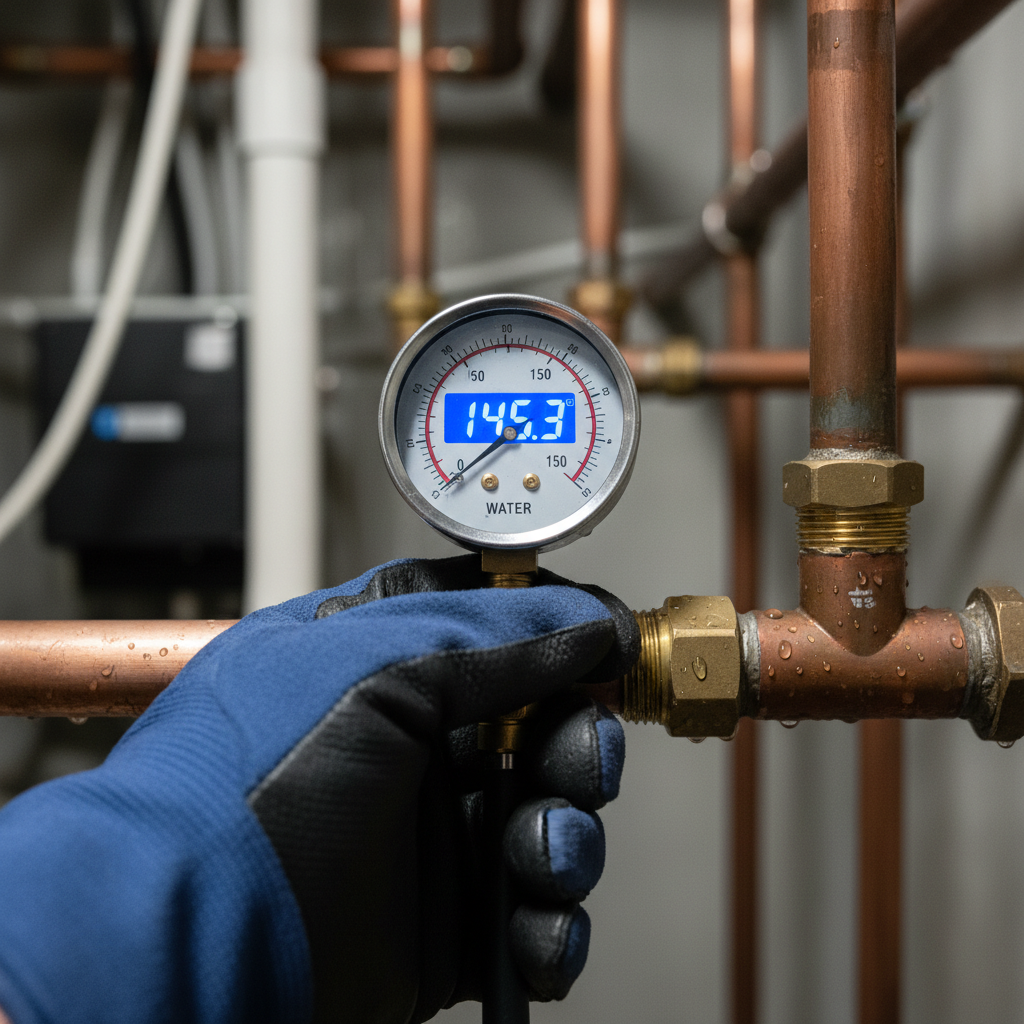
Avoiding a massive excavation bill starts with precision. Instead of guessing where the break is, honest Columbus plumbers use a non-invasive diagnostic sequence to isolate the failure. The process typically begins with a static pressure test. By installing a gauge and isolating the home from the city main, we can confirm if the line is losing pressure; this verifies that a leak exists before any heavy equipment is unloaded.
Once the leak is confirmed, we use electronic leak detection tools. These high-frequency acoustic sensors allow us to listen through the dense clay soil and concrete for the distinct sound of water escaping under pressure. Because Ohio’s frost line requires pipes to be nearly three feet deep, specialized microphones are essential to pinpoint the exact coordinates of the breach. In some cases, a Plumbing Camera Service Cost is a necessary investment to inspect the pipe interior if the line has multiple joints or older fittings.
Investing in a professional assessment is a strategic way to manage your total main water line leak repair cost. Spending a few hundred dollars on a diagnostic visit prevents a multi-thousand dollar guesswork excavation that could leave your yard or driveway unnecessarily torn apart. These plumbing solutions for residents ensure that the shovel only hits the ground where it matters most, saving both time and restoration expenses.