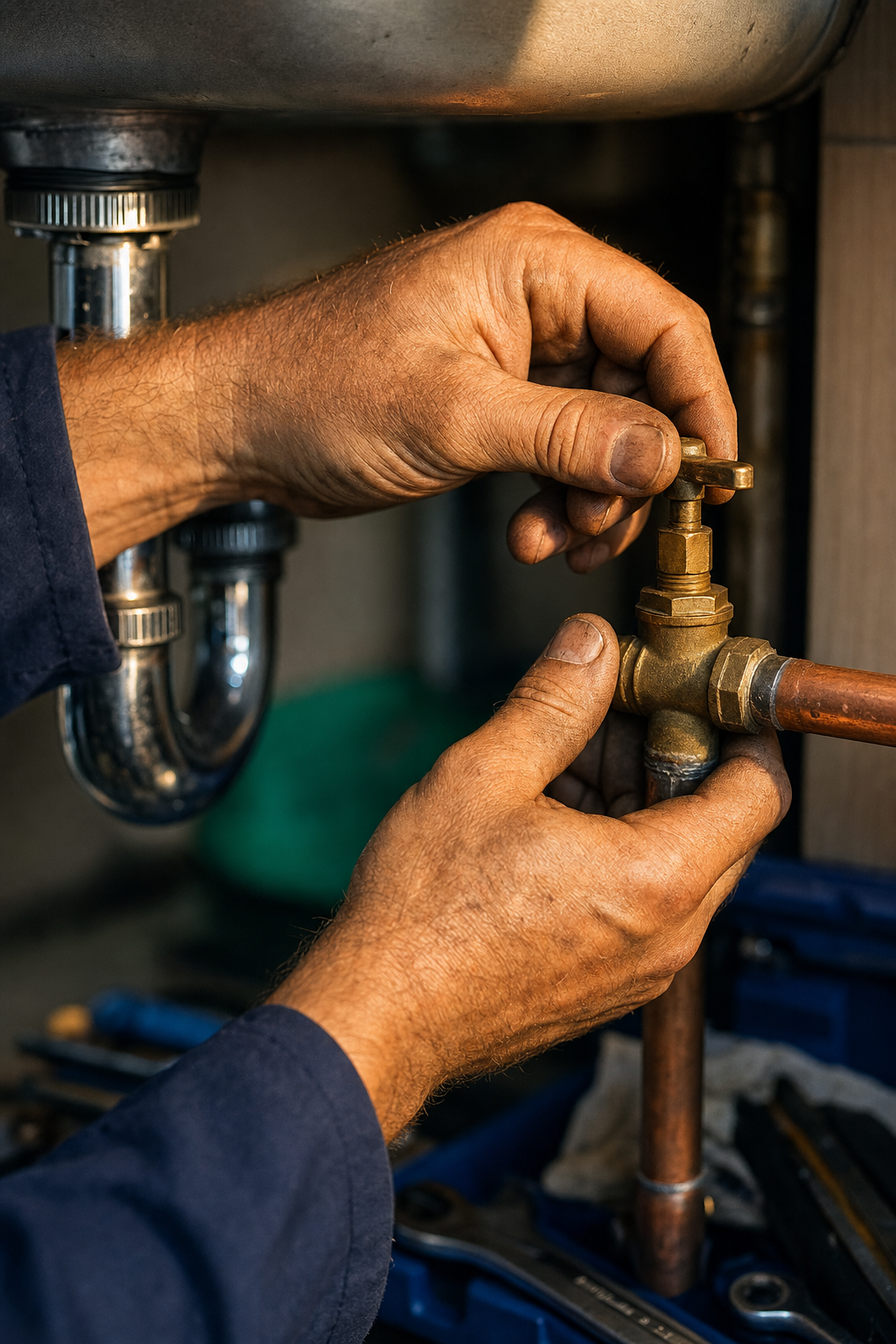
A running toilet water bill can increase by hundreds of dollars per month because a single leak wastes between 30 and 4,000 gallons of water every day. These spikes are usually caused by a worn flapper or a faulty fill valve that prevents the tank from sealing; while many repairs are simple DIY tasks, professional help is needed if the leak persists or involves complex hardware failures.
That faint, rhythmic trickling sound emanating from your bathroom might seem like a minor household nuisance; yet, it represents a significant drain on your monthly budget. In Columbus, a running toilet is rarely just a localized plumbing issue. It acts as a catalyst for an inflated water and sewer bill that catches many homeowners off guard. Because municipal billing structures often link sewer charges directly to water consumption, a silent leak can effectively double the financial impact of every wasted gallon. This guide examines the specific mechanics behind these costly leaks, ranging from degraded flappers to hidden high pressure issues within your home. You will learn how to perform a simple diagnostic test using common household items, understand the compounding costs of sewer fees, and determine exactly when professional intervention from Quantum Waterworks is required to protect your property and your wallet.
The Real Cost of a Running Toilet on Your Monthly Bill
A phantom flush or a faint hissing sound from the bathroom might seem like a minor annoyance, but the math behind a running toilet water bill tells a much more expensive story. A running toilet is a significant drain on your household budget. Depending on the severity of the internal component failure, a single unit can waste anywhere from 30 gallons per day for a slow, barely audible leak to a staggering 4,000 gallons per day for a major overflow issue.
For a medium sized leak, which we frequently encounter in residential properties across central Ohio, a toilet typically wastes about 250 gallons every 24 hours. At local utility rates, this adds roughly $100 to your monthly Columbus water bill. Annually, that translates to a $1,200 loss for a problem that often requires only a straightforward mechanical fix. To put this scale of waste in perspective, a leaking toilet can waste 25 times more water than a dripping showerhead. While a shower leak is visible and distracting, a toilet leak is often silent and constant, running 24 hours a day, seven days a week.
This discrepancy is why local municipal utilities frequently cite running toilets as the primary cause of unexplained spikes in water usage. If you notice a sudden jump in your bill without a change in your daily habits, the bathroom is the first place our team looks to provide professional plumbing solutions. Ignoring these signs can lead to thousands of dollars in unnecessary costs over time. If your bill has spiked, you should contact Quantum Waterworks to identify the source before the next billing cycle arrives.
The Sewer Bill Double Whammy: Why Your Leak Costs More Than You Think
In Columbus and surrounding municipalities, the financial impact of a leak is intensified by how local utility companies calculate wastewater fees. Most homeowners assume their monthly statement is a direct reflection of two separate measurements, but the reality is that your sewer or wastewater bill is almost always tied directly to your metered water consumption. Because the city assumes every gallon that enters your home eventually exits through a drain, a toilet that runs continuously is essentially being billed twice.
This double whammy means that when a running toilet water bill arrives, the total increase is often double what the water rate alone would suggest. For every dollar spent on wasted water flowing into the tank, you are typically paying an equal or even higher amount for the city to process that waste through the sewer system. This is a critical distinction because the water from a leaking toilet never actually enters the sewer as contaminated waste; it is clean water flowing straight through the bowl, yet you are charged as if it were sewage.
When reviewing your utility statement, look closely at the line items for both Water Service and Sewer Service. If you notice a simultaneous spike in both categories despite no change in your household habits, it is a definitive sign of a mechanical leak. Identifying this early allows you to seek professional plumbing solutions before another billing cycle doubles your losses. For immediate assistance in diagnosing these spikes, you can contact Quantum Waterworks to inspect your fixtures.
Common Culprits: Why Your Toilet Won't Stop Running
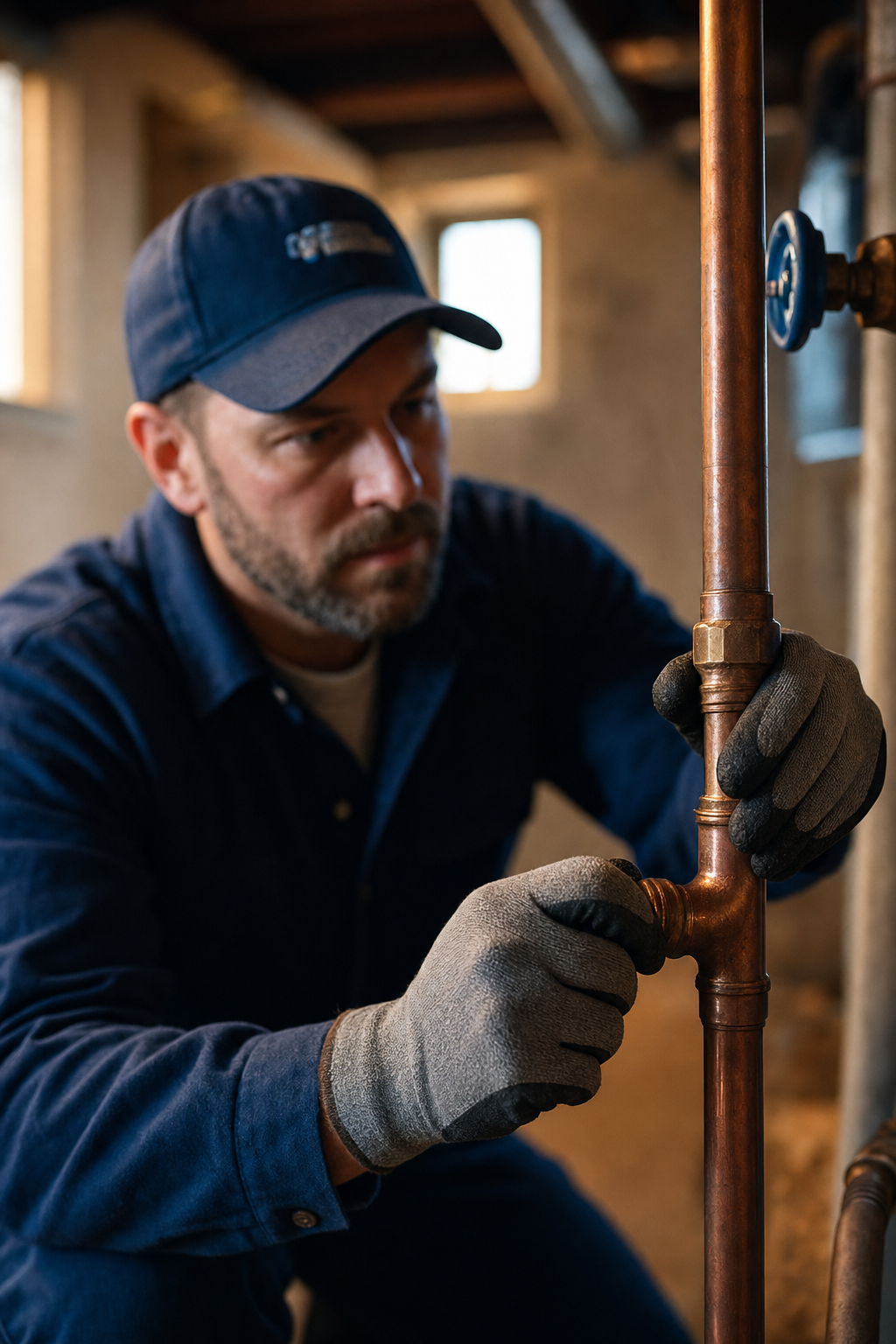
Identifying the mechanical source of the leak is the first step in lowering a high running toilet water bill. Most issues stem from three specific mechanical failures within the tank, each related to how the unit regulates its water level.
The flapper is the most frequent offender. This rubber seal sits at the bottom of the tank; when it loses its flexibility or develops a layer of mineral buildup, it no longer creates a watertight seal. Gravity pulls water into the bowl, and once the water level in the tank drops below a certain point, the fill valve automatically kicks on to replenish it. This creates a phantom flush, where the toilet sounds like it is flushing itself every few minutes or hours. In contrast, a constant hiss usually indicates the fill valve itself is faulty or the float is set too high. If the float is positioned incorrectly, the water level will rise until it pours into the overflow tube, causing the water to run non-stop.
Environmental factors also play a role in component lifespan. While many homeowners use drop in cleaning tablets to keep the bowl fresh, the high concentration of chemicals in the tank water can actually accelerate the deterioration of rubber parts. These tablets cause flappers to warp, harden, or become brittle much faster than intended, leading to silent leaks. If you notice these symptoms, seeking professional plumbing solutions can prevent minor mechanical wear from becoming a major expense. For a precise diagnosis of your tank's components, you can contact Quantum Waterworks to ensure every seal is functioning correctly.
The Food Coloring Test: How to Spot a Silent Leak in 15 Minutes
Identifying a mechanical failure often requires looking past what you can hear. To effectively troubleshoot a silent leak that might be inflating your running toilet water bill, perform a simple diagnostic known as the Food Coloring Test. This method is the most reliable way to confirm if a flapper has lost its seal without needing any specialized tools or technical training.
Follow these specific steps for an accurate result:
Remove the tank lid and set it carefully on a towel or flat surface to prevent cracking the porcelain.
Add 5 to 10 drops of dark food coloring, such as blue or red, directly into the water inside the tank.
Wait exactly 15 minutes. It is critical that no one flushes the toilet or disturbs the water during this window.
Inspect the water in the toilet bowl. If the water has changed color, you have a confirmed leak.
When dye migrates from the tank to the bowl without a flush, the flapper is failing to maintain a watertight seal. This constant, unobserved flow is exactly what causes your utility costs to climb. If your test reveals a leak, you may need professional plumbing solutions to inspect the flush valve seat for corrosion or damage that a simple DIY part swap might not fix. For a comprehensive system check and to stop the waste, you can contact Quantum Waterworks to ensure your fixtures are operating at peak efficiency.
Beyond the Flapper: When High Water Pressure is the Real Problem
If you have confirmed that the tank seals are intact but the noise persists, the root cause may be external to the toilet itself. High municipal water pressure is a frequent, overlooked driver of a rising running toilet water bill in Columbus. While standard residential plumbing components are typically rated for specific pressures, levels exceeding 70 psi can overwhelm the internal seals of a fill valve, causing it to leak or run constantly regardless of how many new parts you install.
A key diagnostic indicator of this issue is synchronization. If you notice that multiple toilets throughout your home are running, hissing, or exhibiting phantom flushes simultaneously, the problem is likely a failing Pressure Regulator Valve (PRV). This device is responsible for down regulating the high pressure from the city main to a safe level for your home. When a PRV fails, the resulting surge can damage appliances and lead to expensive waste. Identifying these system wide issues requires professional plumbing solutions rather than simple DIY part swaps. To protect your plumbing and stabilize your costs, you can contact Quantum Waterworks for a comprehensive pressure test and regulator inspection.
DIY vs. Professional Repair: When to Call Quantum Waterworks
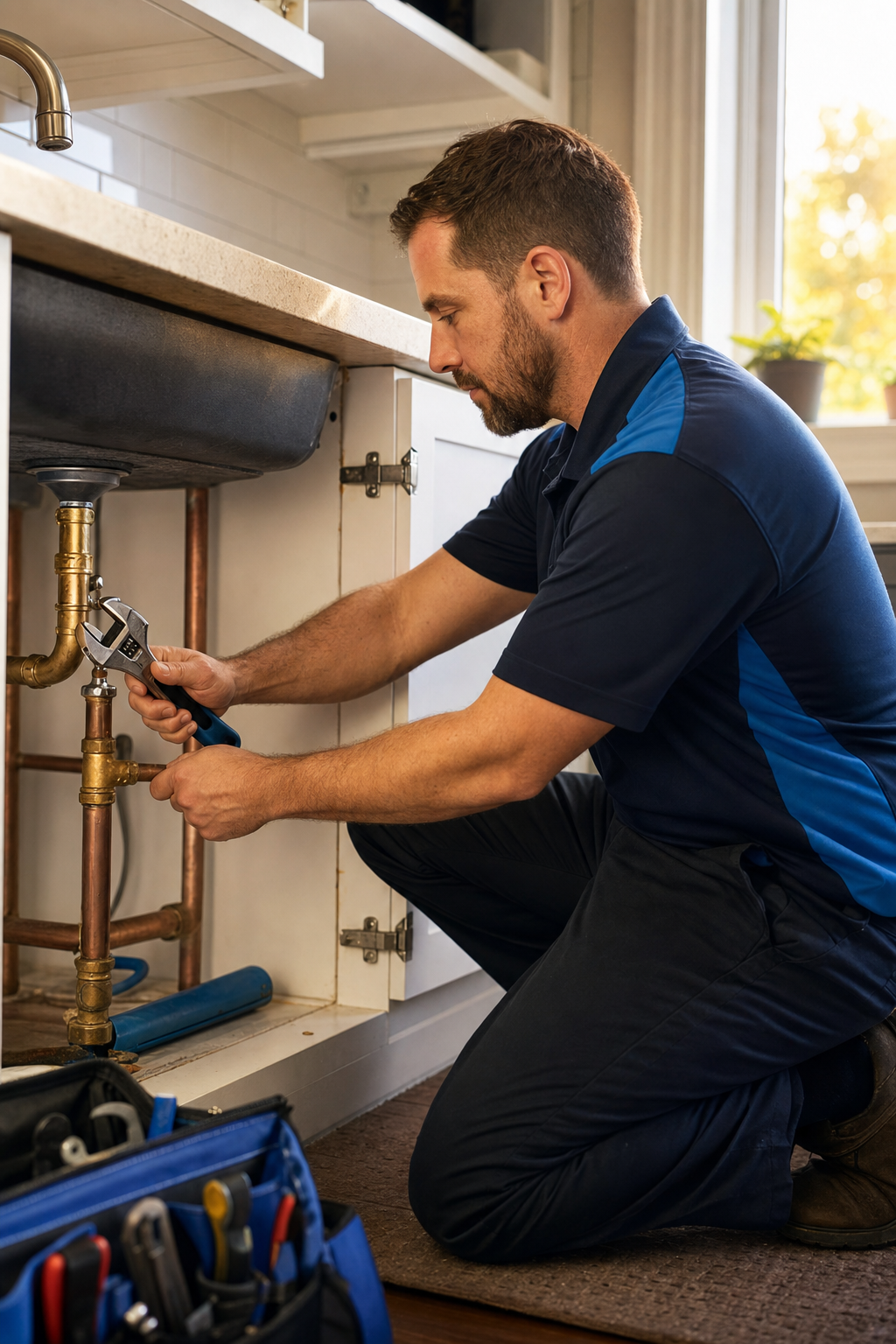
Determining if a repair is a weekend project or a job for a licensed plumber depends on the source of the mechanical failure. Many homeowners successfully resolve a minor spike in their running toilet water bill by performing basic maintenance. If the lift chain is tangled or too long, preventing the flapper from closing fully, a simple adjustment usually stops the flow. Likewise, if a dye test indicates a faulty flapper, replacing that specific rubber component is a straightforward DIY task that requires no specialized tools.
Call for professional plumbing solutions when these basic steps fail to stop the leak. If you have already replaced the flapper and the toilet continues to run, the flush valve seat, which is the plastic or metal ring the flapper rests on, may be corroded or pitted. In these cases, a new flapper cannot create a watertight seal regardless of how many times it is replaced. You should also contact Quantum Waterworks immediately if you notice hairline cracks in the porcelain tank or suspect the high pressure issues mentioned previously. While a professional repair typically ranges from $200 to $400, it is a sound investment that prevents thousands of dollars in cumulative water waste over time. Expert intervention ensures the fix is permanent and your home remains protected from potential water damage.
Proactive Maintenance to Protect Your Columbus Home
Taking a proactive approach is the most effective way to prevent a sudden spike in your running toilet water bill. While porcelain bowls can last for decades, the internal rubber and plastic components are subject to constant wear and chemical degradation. We recommend replacing toilet flappers every three to five years, even if you do not currently hear water running. This preventative measure ensures the seal remains flexible before it begins to warp, harden, or allow silent leaks into the bowl.
If your Columbus home still features toilets installed before the mid-1990s, the potential for waste is significantly higher. Older models often consume between 3.5 and 7 gallons per flush. In contrast, modern high-efficiency units use only 1.28 gallons per flush. Upgrading these outdated fixtures can reduce your annual water consumption by thousands of gallons, making it one of the most impactful professional plumbing solutions for long-term savings. If you are ready to modernize your home and lower your utility expenses, you should contact Quantum Waterworks to discuss high-efficiency upgrades and system maintenance.